

Not all Olympic Games need to be explained.
Some are better understood by stopping and simply watching.
Milan-Cortina 2026 will also be made of this: sharp sounds on the snow, sudden silences, held breaths before a start. Brief moments, often marginal to the competition, yet capable of telling much more than a result or a ranking.
These mini-guides are not meant to teach rules, but to guide the gaze. To help recognize the sensations that run through winter sports, even before technical gestures. They are meant for those who want to enter the atmosphere of the Games without haste, letting themselves be guided by experience. They aim to accompany the observer along the thin line that connects sport, landscape, and human experience.
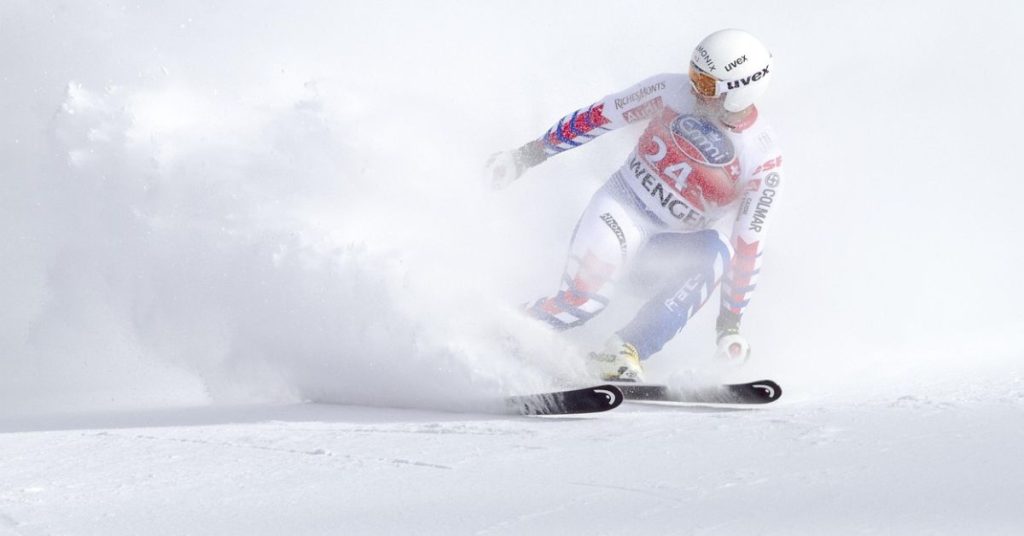
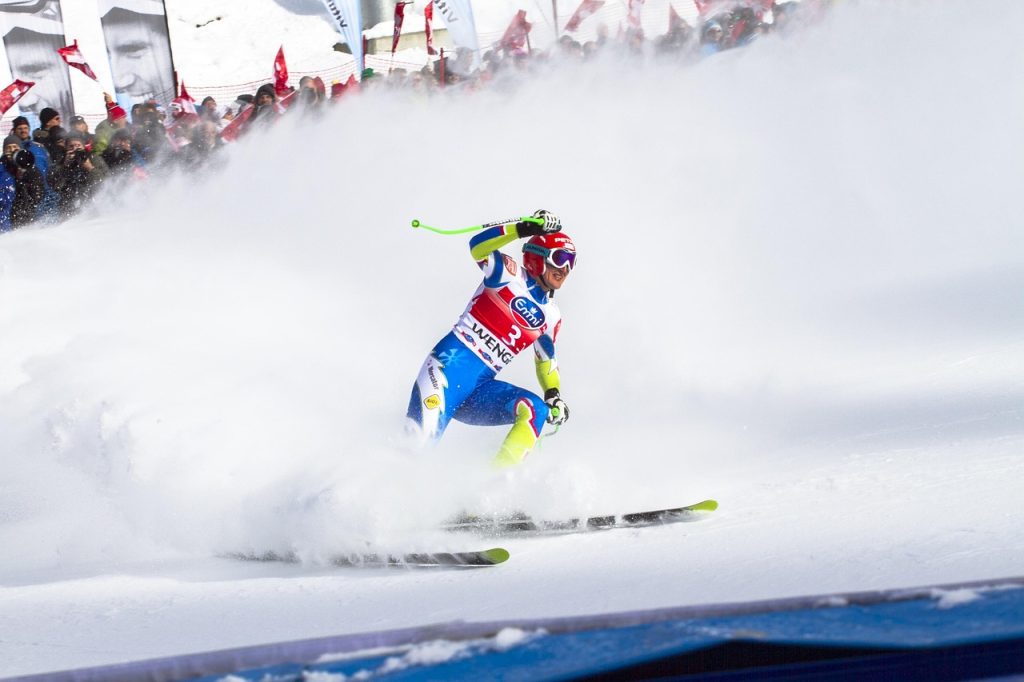
Alpine Skiing
The mountain watches. The athlete descends.
Alpine skiing lives on decisions made before the start: the line, the risk, the compromise between speed and control. When the gate opens, there is no room for adjustment. Everything must work immediately.
There is a severe beauty in this discipline. It grants no time, forgives no hesitation. And when an athlete reaches the finish line, they often do not celebrate: they breathe. As if they had just returned from a place where the margin between control and falling was almost imperceptible.
Cross-Country Skiing
Here, fatigue is part of elegance.
Cross-country skiing demands attention. It does not explode, it does not overwhelm: it enters slowly. It is a sport not consumed in a single gesture, but built kilometer after kilometer, where beauty lies in endurance. In bodies that bend, in gazes that empty, in the silent choice to continue when stopping would be easier.
Biathlon
Speed and silence, in the same breath.
Biathlon lives on an evident paradox. After the fury of skiing comes stillness. The body asks for oxygen, but the mind demands precision. Every shot is a choice, every mistake has an immediate price.
The most intense moment is not the shot, but the waiting. That absolute silence in which everything stops, and for an instant it seems the world is watching only one athlete and their target.
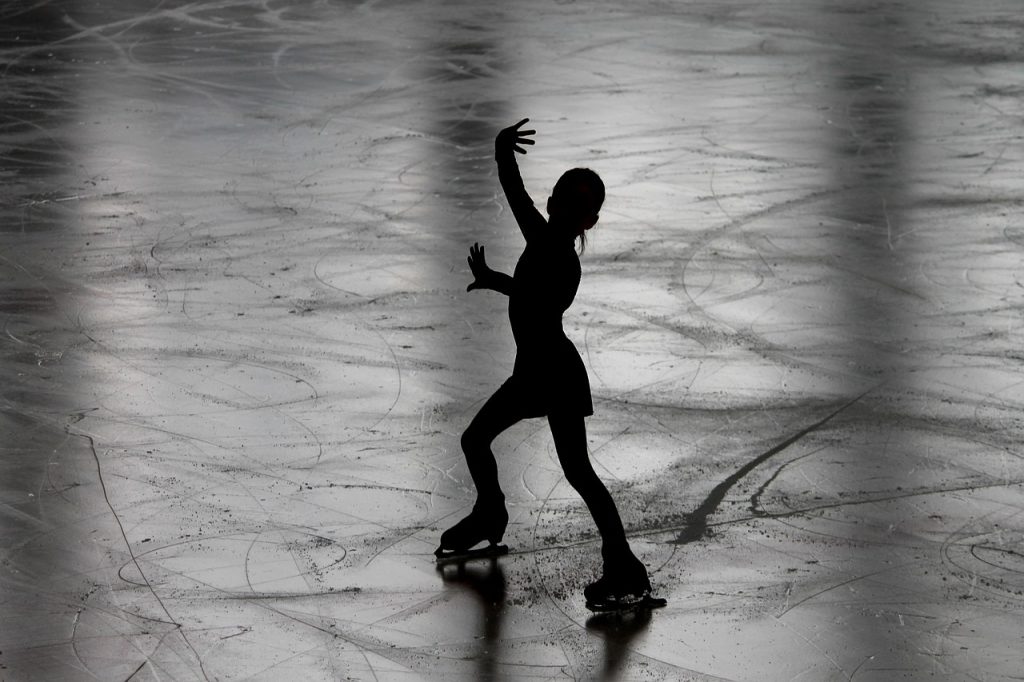
Figure Skating
Grace as construction.
Figure skating is one of sport’s most sophisticated illusions. It appears light, spontaneous, almost natural, but in reality it is a discipline of absolute control and constant risk.
Every jump hides the possibility of a fall, every step is the result of years of repetition. When the music ends, the athlete’s gaze tells more than any score: it reveals whether that perfection, even for a moment, has been reached.
Ice Hockey
Speed, contact, instinct.
Hockey is noise and constant movement. It is a sport that forces the spectator to keep up. The puck disappears and reappears, bodies collide, the rhythm never truly slows.
Yet within this apparent chaos lies surgical precision. Games are often decided by a detail: a deflection, a save, an imperceptible mistake. In hockey, glory arrives suddenly.
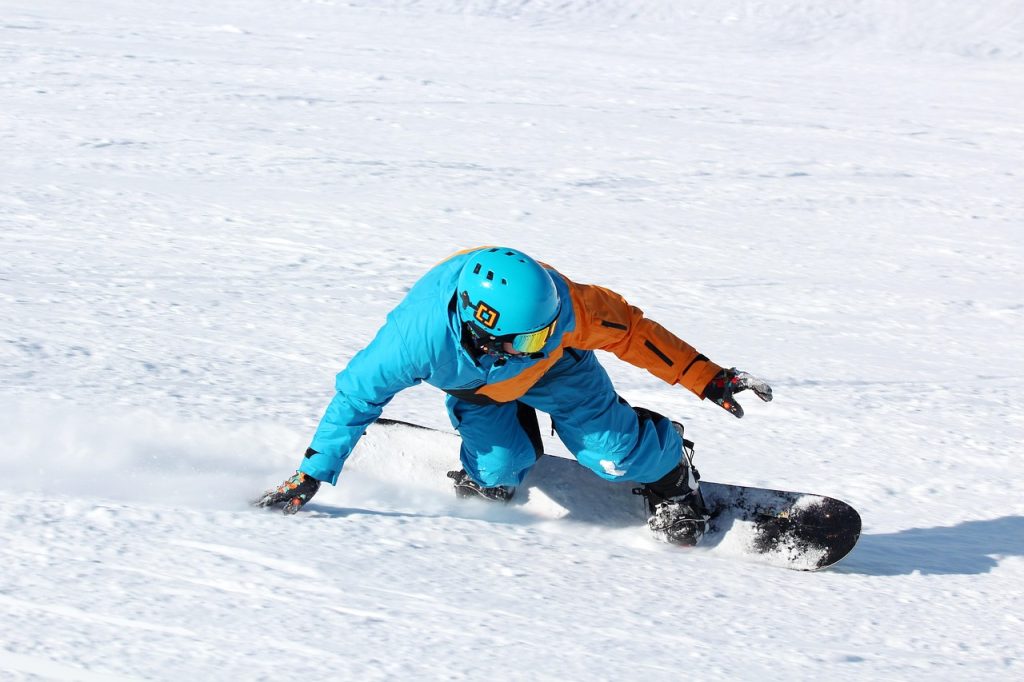
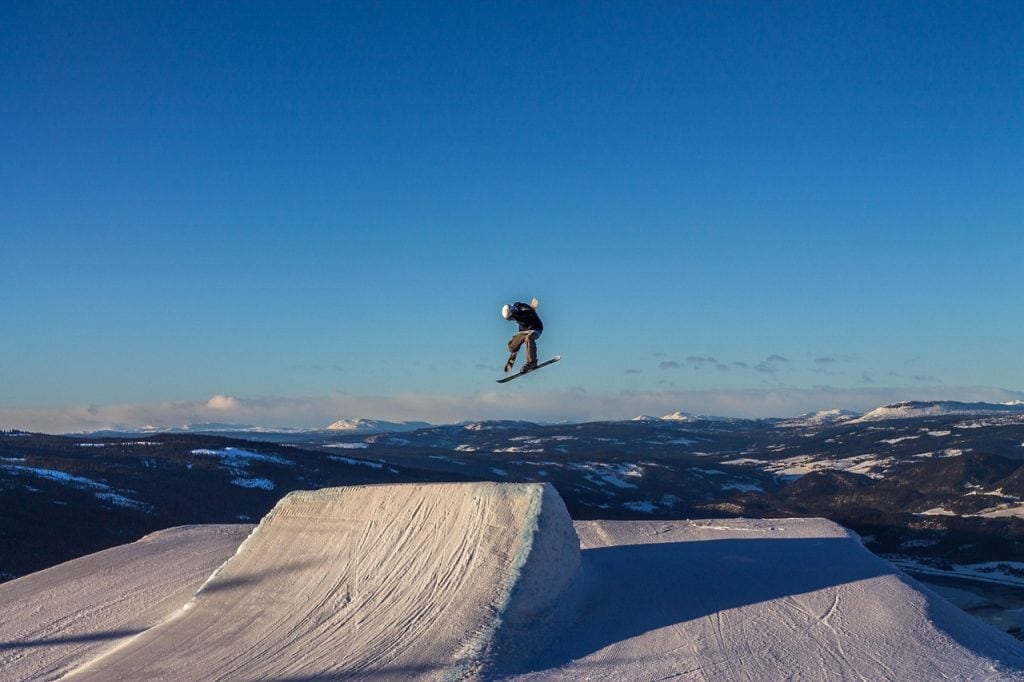
Snowboard & Freestyle
Style as a statement.
These disciplines bring a different language to the Olympics. Less formal, more direct. They do not seek classical elegance, but personal expression.
Each run becomes a signature. Each jump tells an attitude, a choice. When an athlete risks everything on the final attempt, they are not just chasing a score: they are asserting an idea of themselves.
Short Track and Speed Skating
The limit of speed.
In speed skating, everything happens too fast to be rationalized. Tight turns, blades brushing past each other, bodies leaning to the impossible. One moment is enough to change the order of a race.
It is a sport lived by instinct, not analysis: it is endured. And for this very reason, it remains impressed, like a flash that gives no time to look away.
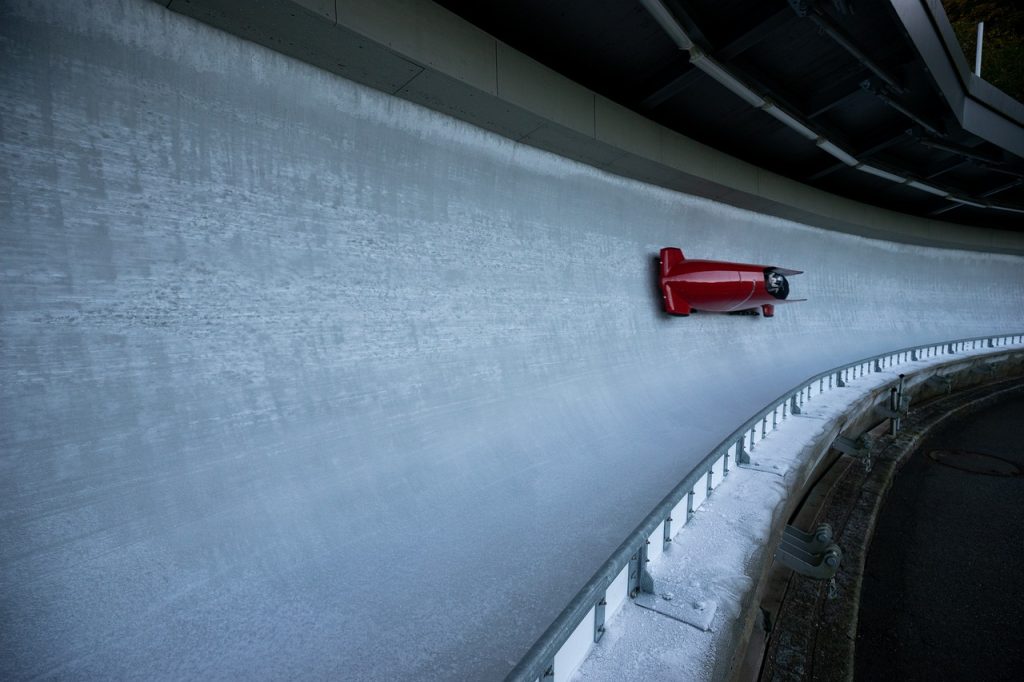
Bobsleigh, Luge and Skeleton
Trust as an extreme act.
Descending at over one hundred kilometers per hour, just centimeters from the ice, means accepting an almost total loss of control. These disciplines demand absolute trust in the equipment, the trajectory, the preparation.
Watching them creates a physical, almost visceral tension. The stopwatch decides everything, but behind those numbers lies a radical choice: to entrust oneself to speed.
Curling
The strategy of silence.
Curling surprises with its calm. It is a sport of hushed conversations, measured gestures, carefully weighed decisions. Every stone is a choice that influences everything that follows.
Here, emotion does not explode: it accumulates. And when the decisive moment arrives, silence weighs more than any roar.
Ski Jumping and Nordic Combined
The suspended moment.
Few sports make courage as visible as ski jumping. The athlete accelerates, leaves the ramp, and for a few seconds no longer belongs to the earth.
There is no need to understand distances or scores. Just watch the flight. In that instant lies a primitive form of beauty, made of risk, trust, and the desire to push beyond limits.
Observing winter sports means accepting that not everything must be explained. That some emotions pass more quickly than commentary, and that their value lies precisely there.
Milan-Cortina 2026 will also be this: a sequence of moments that require not expertise, but attention. No rules or scores are needed to grasp them. Just watch, stay, and let yourself be carried by the gesture.