

From paper-based journey planning to modern driving assistance tools: in 60 years mobility has changed dramatically. Along with it, drivers’ expectations and needs have changed too.

There is one thing that car journeys of the past and present have in common: the urge to set off. Everything else has changed.
60 years ago, getting ready for a trip required a different organization. There were few tools and every journey had to be planned carefully. There were no sat-navs, people had to rely on road maps, which often ended up folded in the glove compartment.
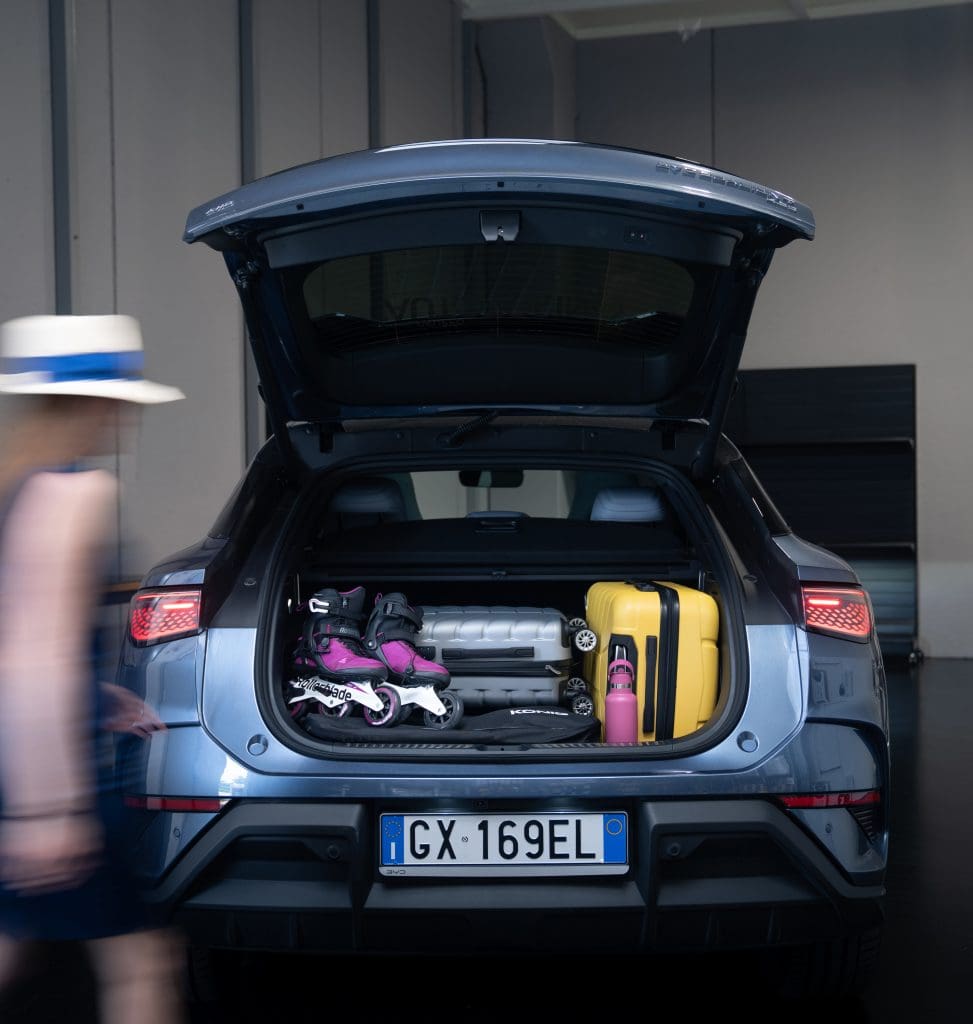
Today we still plan our journeys, but in a completely different way.
We simply connect our smartphone to the car or use the integrated sat-nav: the route is updated in real time, traffic is automatically recalculated and setting a new destination takes just a few seconds.
But planning is just an example.
In the last sixty years mobility has evolved in many ways: cars, driving habits and drivers’ needs have all changed.
In the 1960s, setting off a long journey meant accepting a few compromises.
Today, comfort and practicality are part of the experience.
Long journeys today are less stressful than 60 years ago, thanks to features such as automatic air conditioning, ergonomic seats, infotainment systems and to the ability to connect a smartphone directly to the car.
Today’s drivers constantly receive information that simply wasn’t available 60 years ago. Sensors, cameras and driver assistance systems help recognise obstacles, keep the vehicle in its lane and manage traffic. These technologies are designed not to replace drivers, but to make driving easier.
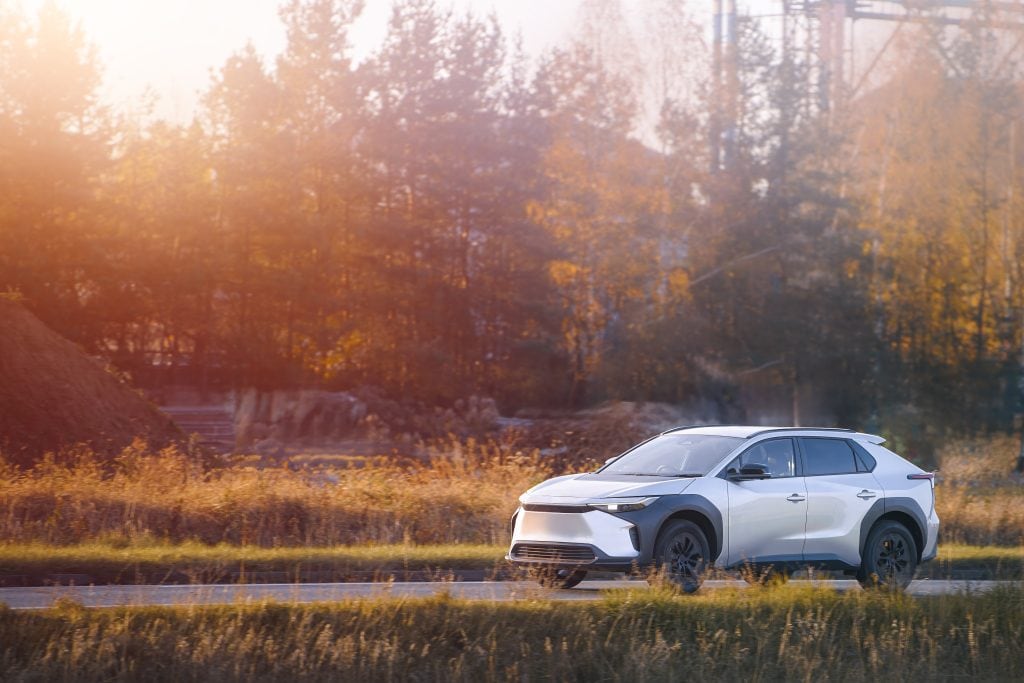
Today’s cars are totally different from 1960s cars. They are bigger, more connected and often electrified. Each technological advance has brought new challenges, driving the automotive sector to develop new, specific solutions.
If in the past the most important thing was to get to the destination, today drivers ask for more. They want to drive safely, save time, always be connected and make every journey as simple as possible.
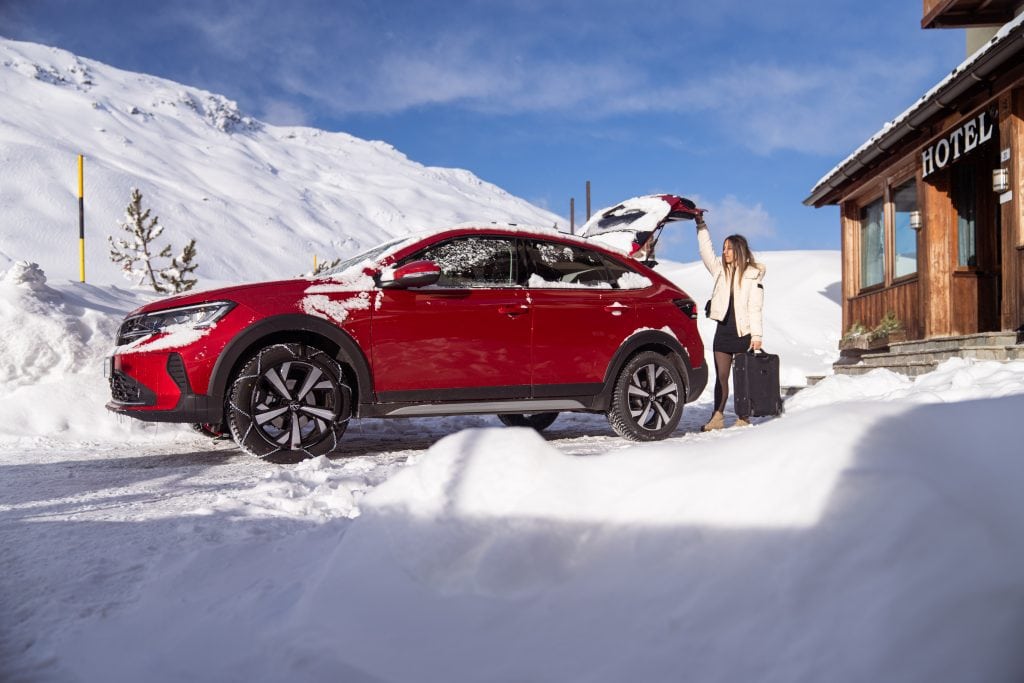
Let’s take a practical example: a family from Milan that wants to go on a ski holiday in Cortina d’Ampezzo. In the 1960s unforeseen events were part of the journey. Families would set off knowing that reaching the destination would take around 8-9 hours because of snow, roadworks or accidents. Most of the journey was on main roads because motorways were under construction. It wasn’t possible to predict the arrival time, nor could they know in advance the weather conditions on the road and at the destination.
The same journey in 2026 takes just over 4 hours, navigation apps provide real-time updates and recalculate the route, hotels and activities can be booked online and you can check the weather forecast on the way and at your destination.
In the 1960s before leaving it was essential, in addition to studying the journey, to check the car (oil, tyre pressure, windscreen washer fluid) and prepare some food and drinks for the trip. Today the preparation is mostly technological: smartphone, navigation apps, online reservations and fully charged devices.
What has remained the same in 60 years? Snow chains are still found in the boot of the car.
The evolution of mobility is not just about cars. It also includes everything that makes travelling easier, safer and better suited to modern drivers’ needs.
In the last sixty years, König has developed its snow chains to respond to changes in mobility: from vehicles with limited wheel clearance to newer vehicle categories such as crossovers and B-SUVs, through to the latest generation of electric vehicles.
At the same time, the company has expanded its range, developing products designed for specific applications and investing constantly in technical innovation.

Particular attention has been paid to developing solutions that make installation and removal easier, faster and more intuitive. Snow chains such as Reflex Edge, Reflex Cross, K-Summit and XG Cross represent the most advanced expression of this philosophy: products that embody decades of innovation, technology and reliability while delivering high performance and a simple, intuitive user experience.
And the evolution won’t stop here.
If the way we travel continues to change, the solutions that support it will continue to evolve too.