

Every year, as winter approaches, drivers face the same question: is their car properly equipped?
In winter, road grip can change quickly and unexpectedly. Even a road that seems safe can become slippery in a short time due to sudden snowfall, ice formation or a sharp drop in temperature. In these situations, having the right winter equipment can make a difference.
It is therefore essential to understand both the legal requirements and the types of equipment that can help you drive more safely during winter. Snow chains are one of these options.
When does winter equipment become mandatory?
In Italy, winter equipment is generally mandatory from 15 November to 15 April on roads identified by specific signs. Different dates may apply to certain roads or sections with particular conditions. During the period in which the requirement applies, vehicles must either be fitted with winter tyres or carry suitable anti-skid devices, such as snow chains.
Which types of winter equipment are permitted?
Snow chains are particularly useful when snow and ice make driving conditions especially difficult. However, they are not the only option available to drivers. Current regulations allow different types of winter equipment, including winter tyres and textile traction devices (snow socks).
Winter tyres are made with rubber compounds designed to remain flexible even at low temperatures, providing grip on cold, wet or lightly snow-covered roads.
Textile devices that comply with the relevant standards have different characteristics and performance levels compared with metal snow chains. When choosing a device, it is important to consider not only the legal requirements but also the conditions in which it may actually be used.
Snow chains: why carry them in your car?
Despite ongoing advances in electronic driver assistance systems, snow chains remain one of the most effective solutions for particularly challenging driving conditions, such as compacted snow, ice and steep gradients.
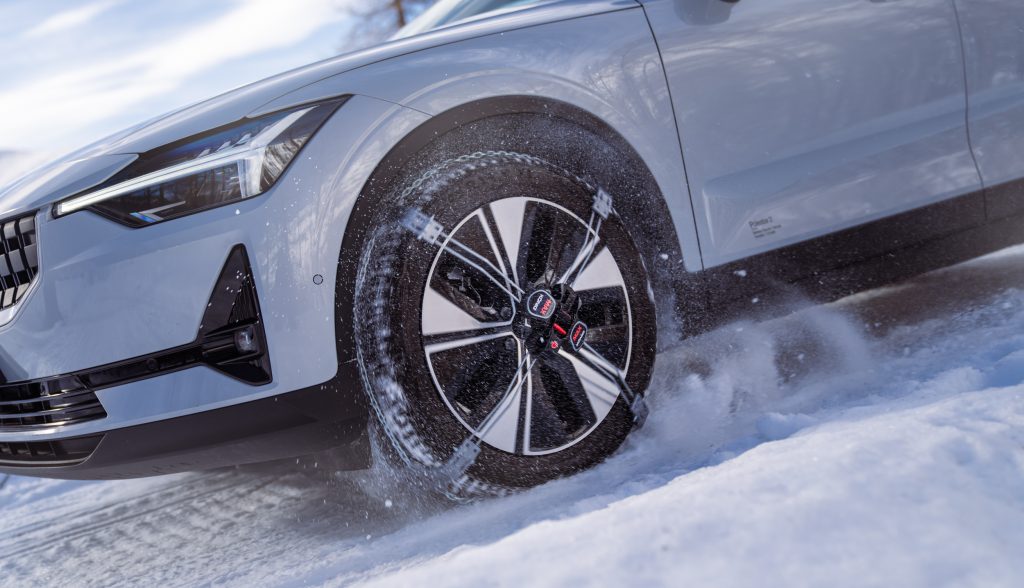
Thanks to their metal construction, snow chains help improve grip, cornering stability, braking performance and overall vehicle control. When conditions become especially demanding, for example on compacted snow, ice or steep gradients, snow chains can provide additional support compared with winter tyres alone.
Even drivers who use winter tyres and regularly travel on roads affected by snow and ice can benefit from carrying snow chains, so they are prepared when conditions become particularly challenging.
How to choose the right snow chains
The first step when choosing snow chains is to check the vehicle owner’s manual, paying particular attention to chainability and any restrictions specified by the manufacturer. You also need to know the full tyre size fitted to your car. Even when there are restrictions on chainability, specially designed solutions may still be available. König has developed a dedicated configurator: simply enter your car’s make, model and tyre size to quickly find out which snow chain models are compatible.
Snow chain standards: what to check
It is important to check that the snow chains you purchase comply with recognised European standards. The relevant standard is UNI EN 16662-1:2020, which sets out general safety and performance requirements for supplementary grip devices intended for passenger cars and light vehicles, including snow chains.
What if you are travelling abroad?
Winter equipment regulations are not the same throughout Europe. Before setting off, it is important to check the rules in the countries you plan to visit.
For example, in Austria, snow chains are also covered by Ö-Norm V5117, which sets out specific requirements and test methods for chains intended for passenger cars and light vehicles.
Preparing for winter therefore means more than simply complying with legal requirements: it also means choosing the equipment best suited to your needs and your vehicle.
Before winter arrives, it is important to check the regulations in force on the roads you regularly use and make sure you carry snow chains that are compatible with your car.